Managed FX
 VIEW PERFORMANCE
JOIN OUR NEWSLETTER
OPEN AN ACCOUNT NOW
Account Types and Fee Structure
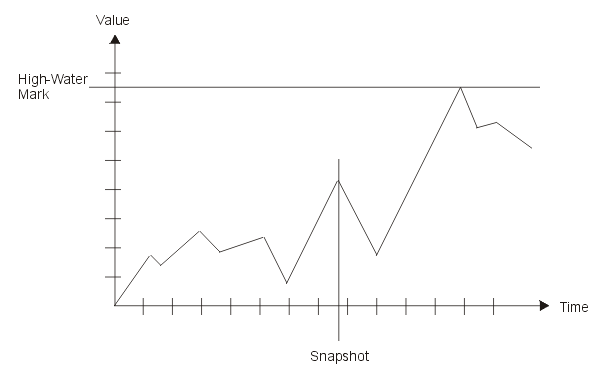
All Managed Account products employ the High Water Mark structure (HWM), which is in our view the fairest structure available between money managers and their investors. Different fee structures are quite often available for different products and participation levels.
Our Managed Account Products are typically geared towards 4 different categories of investors and audiences, each with different goals, and expectations in mind. While this is often unique to every individual, our aim is to produce products that cater to a wide range of clients (or which can be customized to as such). The participants that fall under these categories are certainly not all the same, however, generally speaking in the industry the following attributes characteristically apply to the following groups of investors;
INVESTOR CLASSIFICATIONS
| INVESTOR TYPE | DESCRIPTION | EXPERIENCE | OBJECTIVE |
|---|---|---|---|
| RETAIL | New to investing. Small amount of risk capital to speculate with. | New | To speculate, hedge, learn, and obtain aggressive profit targets. |
| ECP (PROFESSIONAL) | Usually familiar/experienced with alternative markets. Have a larger portfolio in which to allocate funds with. | Moderate | Diversification, exposure, moderate profit targets, and to maximize capital maintenance over profit maximization. |
| INSTITUTIONAL | A person or organization that invest in large quantities or dollar amounts. Institutional investors face fewer regulations because it is assumed that they are more knowledgeable and better able to understand alternative markets. | Moderate - Experienced | To diversify, gain exposure, and reduce overall portfolio volatility by targeting low risk, stable and consistant gains. |
| PROFESSIONAL FUNDS | An investment vehicle that is made up of a pool of funds collected from many investors for the sole purpose of investing in various different markets. | Experienced | To invest the Fund's capital and attempt to produce capital gains and income for the fund's investors, as per the investment objectives stated in it's prospectus. |
Below is a listing of the various fees per group. This is a general guideline, and it may vary from one product to another, as each program is separate and has its own unique specifications. All fees and charges are clearly indicated however during the sign-up process for each Managed Fund. Generally speaking, unless otherwise advised the schedule of fees are as follows;
SCHEDULE OF PERFORMANCE FEES AND MANAGEMENT FEES
| INVESTOR TYPE | MIN INVESTMENT (USD) | PERFORMANCE FEE | HIGH WATER MARK POLICY | MANAGEMENT FEE |
|---|---|---|---|---|
| RETAIL | $10,000.00 | 35% | Yes | No |
| ECP | $150,000.00 | 32.5% | Yes | No |
| INSTITUTIONAL | $1,000,000.00 | 30% | Yes | No |
| FUNDS | Variable | Negotiable | Yes | No |
Certain programs may be able to be customized in order to meet the requirement of an investor. This is especially valuable in the case of Funds, who wish to use our Managed Products as a tool to boost their own performance for their clients. Please contact us to discuss your personal requirements, goals, and objectives, and we will work closely with you to come up with a customized plan in terms of product and commission structure whenever possible.
TRANSACTIONAL FEES
MFH profit shares with their brokers on an increased transactional fee either in the form of a round turn dollar or per million cost or alternatively on a spread markup. Average spread markups vary per program and per brokerage and range from 0 - 2 pips. All performance figures reported on the site are gross performances before any performance fees and transactional fees.
ALL OF OUR MANAGED ACCOUNT PROGRAMS EMPLOY THE HIGH WATER MARK (HWM) PRINCIPAL
What is a HWM calculation? This is a common approach to the calculation of incentive fees (performance fees). It means that incentive fees are paid only on NET new rises in asset value. If a temporary decline occurs, it must be recouped before new incentive fees are paid. This ensures that investment managers receive a performance fee only when the account value exceeds its previous high.